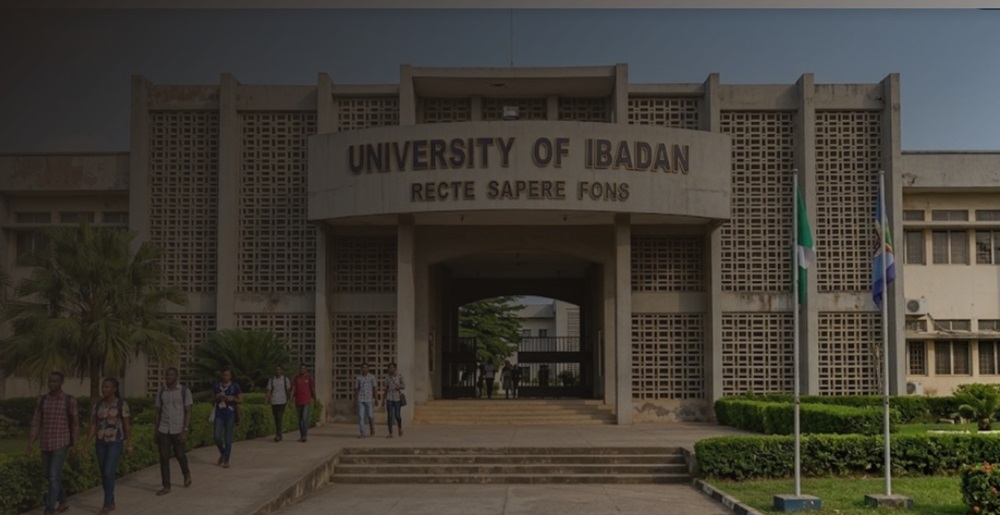

If you walk through the majestic, tree-lined campus of the University of Ibadan today, or stand before the iconic, soaring architecture of the University of Nigeria, Nsukka, you are doing more than just visiting a school. You are walking through history.
1. The Pre-Independence Era: The Birth of Yaba Higher College
Long before the era of computer-based JAMB tests, cut-off marks, and high-stakes Post-UTME screening, getting a university education in Nigeria required a massive cross-continental journey. For decades during the colonial era, young, ambitious Nigerians had to board steamships to travel to the United Kingdom or the United States to earn a degree. Pioneer giants like Dr. Nnamdi Azikiwe and Chief Obafemi Awolowo all took this grueling path.
But how did we get here? How did we transition from a country with zero degree-awarding institutions to a nation booming with federal, state, and private universities?
Let’s take a journey back in time to uncover the fascinating history of higher education in Nigeria and how our premier universities truly started.
The journey did not actually start with a full-fledged university. It started out of extreme necessity and pressure. By the 1920s and 1930s, educated Nigerians were aggressively demanding higher education on their own soil. The British colonial administration, realizing it needed local, educated personnel to fill lower-level civil service roles without spending money to import British staff, finally blinked.
In 1932, the colonial government established Yaba Higher College in Lagos. It officially opened to students in January 1934.
While Yaba Higher College provided diplomas in fields like agriculture, medicine, engineering, and teacher training, it faced immediate criticism from local nationalists. The diplomas awarded were strictly local, meaning they were not recognized internationally. Furthermore, the admission numbers were tightly restricted. The country needed a genuine, degree-awarding institution that could stand shoulder-to-shoulder with European universities.
2. 1948: The Dawn of the University College, Ibadan
The turning point came in 1943 when the British government set up the Asquith and Elliot Commissions to investigate the feasibility of establishing universities in West Africa. The Elliot Commission recommended setting up a university college in Nigeria.
On January 18, 1948, the University College, Ibadan (UCI) was officially founded.
To give the new institution immediate global credibility, it was established as an external college of the University of London. This meant that the early students in Ibadan sat for the exact same rigorous examinations as students in England and received prestigious University of London degrees.
The very first cohort consisted of just 104 students (including three brave women) who transferred directly from the old Yaba Higher College, which was then phased out. Legendary Nigerian icons, including the world-renowned author Chinua Achebe, were among the pioneer students who walked those early halls.

In 1962, two years after Nigeria gained independence, the institution cut its colonial apron strings. It became an autonomous, fully independent university, officially renaming itself the University of Ibadan (UI)—our premier university.
3. Post-Independence and the Ashby Commission: The Regional Boom
Shortly before Nigeria gained independence in 1960, the government anticipated a massive challenge: a newly independent nation would require a massive influx of indigenous professionals, managers, and leaders to run its own affairs.
To address this, the government commissioned the Ashby Commission in 1959 to map out Nigeria's higher education needs over the next twenty years. The commission's report triggered an explosion of higher education, leading to the establishment of our legendary "first-generation" regional universities.
                  ┌────────────────────────────────────────┐
                  │ 1948:University College, Ibadan (UI)   │
                  └───────────────────┬────────────────────┘
                                      │
           ┌──────────────────────────┼──────────────────────────┐
           ▼                          ▼                          ▼
┌──────────────────────┐   ┌──────────────────────┐   ┌──────────────────────┐
│ 1960: University of  │   │ 1962: Ahmadu Bello   │   │ 1962: University of  │
│ Nigeria, Nsukka (UNN)│   │ University (ABU)     │   │ Ife (Now OAU)        │
└──────────────────────┘   ┌──────────────────────┐   └──────────────────────┘
                           │ 1962: University of  │
                           │ Lagos (UNILAG)       │
                           └──────────────────────┘
The East Pioneered Autonomy: University of Nigeria, Nsukka (1960)
University of Nigeria, Nsukka (1960)
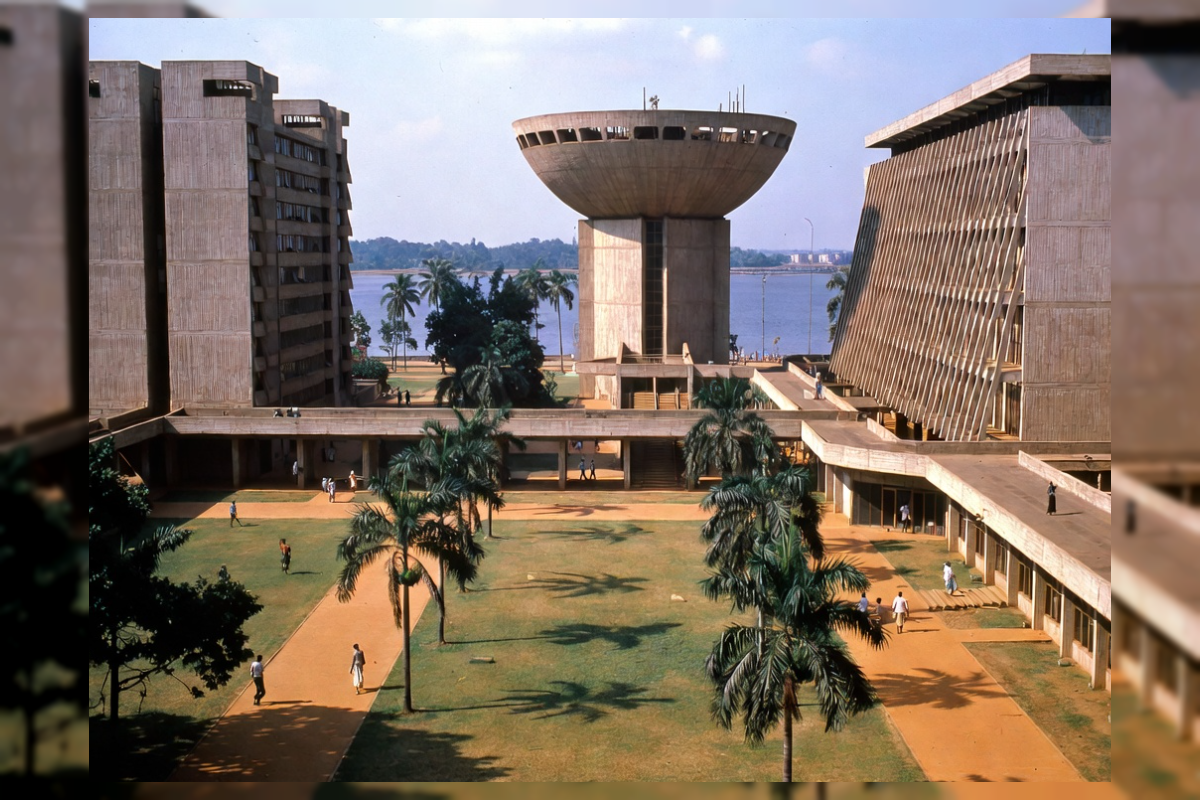
Led by the vision of Dr. Nnamdi Azikiwe, the Eastern Region did not wait for the Ashby report. They wanted a university modeled after the American land-grant system—one focused on practical values, agriculture, and science, rather than just British liberal arts. On October 7, 1960 (just six days after independence), the University of Nigeria, Nsukka (UNN) was officially launched, making it the first fully autonomous, degree-awarding indigenous university in Nigeria.

The West Responded: University of Ife (1962)
In the Western Region, political and intellectual leaders felt the federal government was over-allocating resources to Ibadan at the expense of regional identity. Under the leadership of Chief Obafemi Awolowo, the regional government established the University of Ife in October 1962. It was later renamed Obafemi Awolowo University (OAU) in 1987 to honor its founding father. It quickly became celebrated as "Africa’s Most Beautiful Campus."
The North Consolidated: Ahmadu Bello University, Zaria (1962)
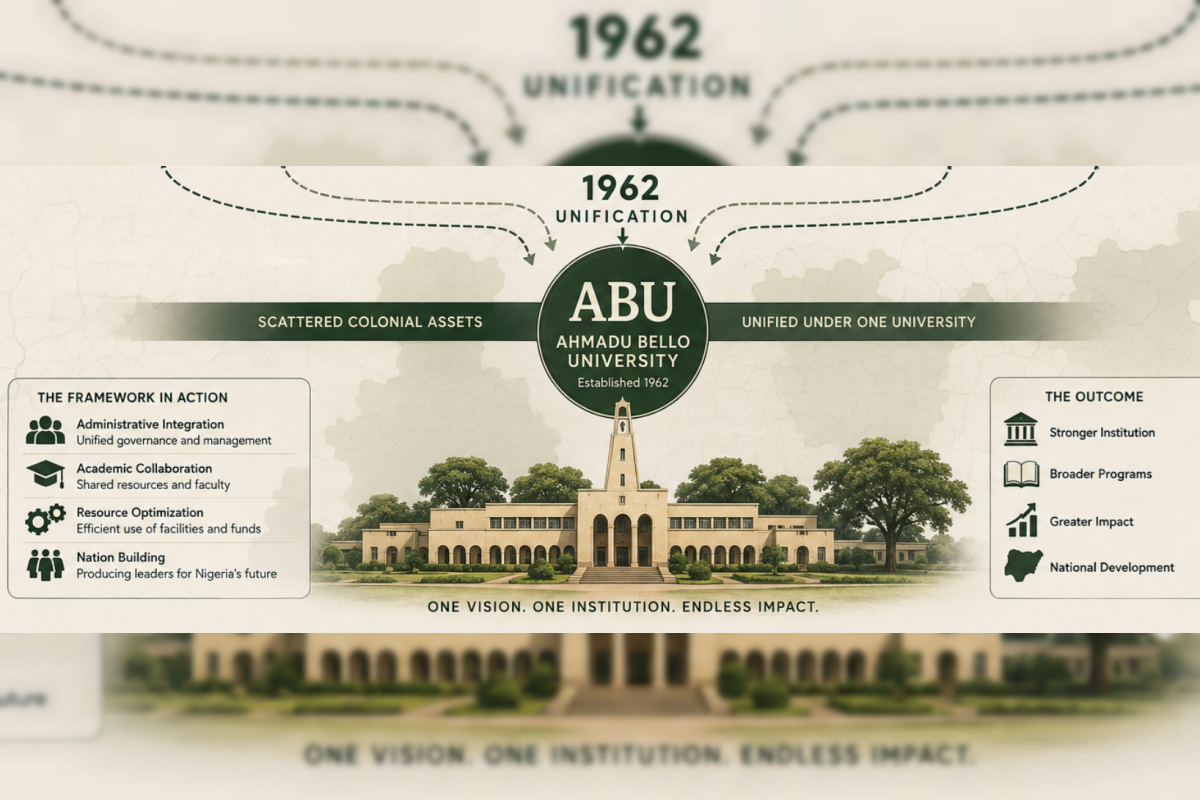
In the Northern Region, Sir Ahmadu Bello, the Sardauna of Sokoto, recognized the urgent need to rapidly develop northern administrative and professional capacity. In October 1962, Ahmadu Bello University (ABU) was founded in Zaria, absorbing several pre-existing structures like the defunct Nigerian College of Arts, Science and Technology.

The Federal Medical Hub: University of Lagos (1962)
To build a high-level workforce in the nation’s bustling capital city, the Federal Government established the University of Lagos (UNILAG) in 1962, specifically focusing on business, law, and medicine.
4. The Modern Era: State and Private Interventions
As Nigeria's population grew rapidly through the late 1970s, 1980s, and 1990s, the original first-generation and subsequent second-generation federal universities (like UNIBEN, UNILORIN, and UNIPORT) could no longer cope with the massive wave of admission seekers.
This birthed two major new eras:
State Universities: Regional governors began establishing state-owned universities to ensure their local indigenes had direct, unhindered access to higher education.
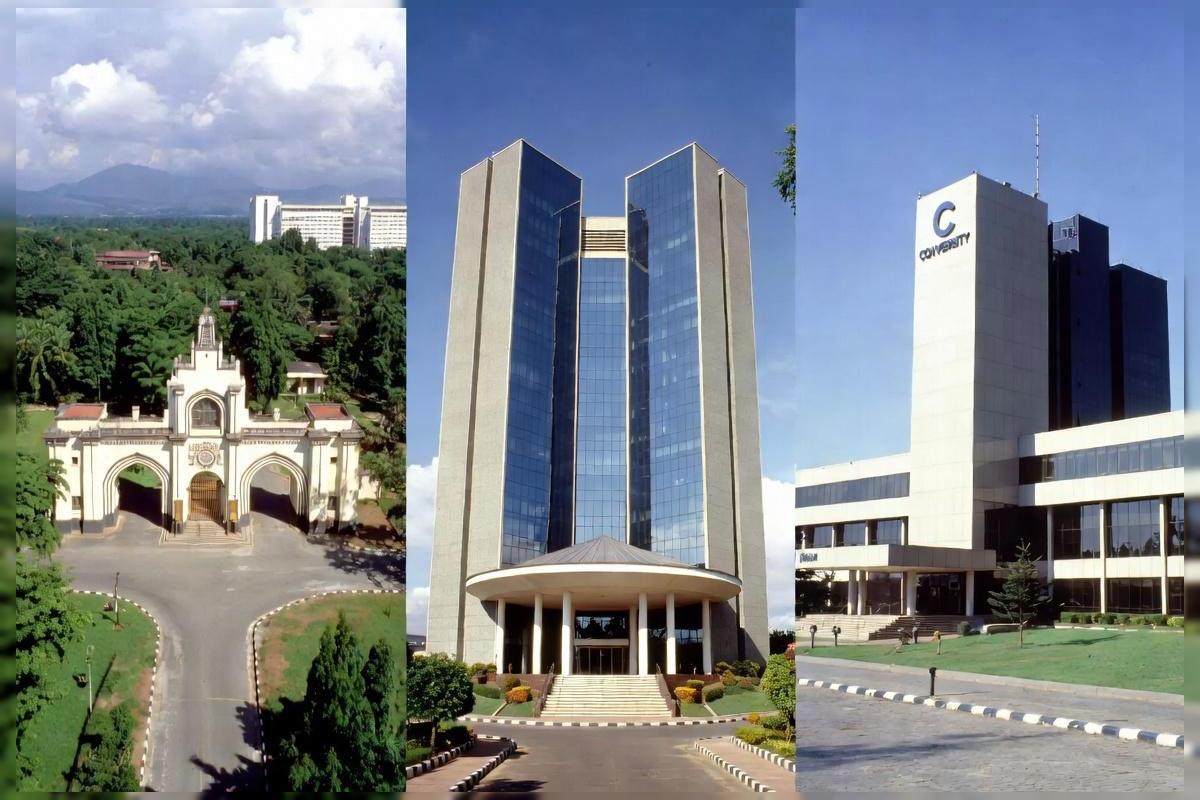
The Private University Revolution (1999): Following the return to democracy, the Federal Government began licensing private universities to curb constant academic disruptions caused by industrial strikes. Institutions like Igbinedion University (the premier private university, licensed in 1999), followed rapidly by heavyweights like Babcock University and Covenant University, transformed the tertiary landscape by offering highly structured, uninterrupted academic calendars.
Conclusion: A Legacy Worth Preserving
From a tiny cohort of 104 students studying under a foreign syllabus in Ibadan in 1948, the Nigerian university system has scaled into a massive network of hundreds of institutions nationwide.
The story of how these universities started is a profound testament to the unyielding Nigerian spirit—a relentless hunger for knowledge, self-determination, and structural progress. For every student today sitting inside a lecture theater anywhere across our nation, you are living out the ultimate dream of the visionary founding fathers who fought tirelessly to bring higher education home.
Did You Know? The historic site of Yaba Higher College, which started it all in 1932, is what we know today as the prestigious Yaba College of Technology (YABATECH).
Comments (1)
Hello
Please login to leave a comment
Login to Comment