
The History of the University of Lagos and Its Growth Over the Years
How a post-independence visionary project transformed into "The University of First Choice and the Nation's Pride."
In the wake of Nigeria’s independence in 1960, the young nation faced an urgent, foundational challenge: building a highly skilled, professional workforce capable of steering its new democracy and growing economy. It was out of this urgent socioeconomic need that the University of Lagos (UNILAG) was born in 1962.
Nestled along the serene shores of the Lagos Lagoon in Akoka, UNILAG has evolved from a modest institution with just over a hundred students into a world-class citadel of research, innovation, and academic excellence. For historians, alumni, and observers of Nigerian higher education, tracking UNILAG’s growth offers a front-row seat to the country's intellectual and cultural evolution. This comprehensive deep dive explores the history, architectural expansion, and institutional milestones of this iconic institution.
Understanding UNILAG's history requires looking beyond basic student enrolment numbers. The growth of this premier institution serves as a direct reflection of Nigeria's broader journey through post-colonial reconstruction, military regimes, economic booms, and the digital revolution. By exploring how this single campus transformed into a sweeping multi-campus system, we gain valuable insight into how higher education infrastructure adapts to rapid urbanization.

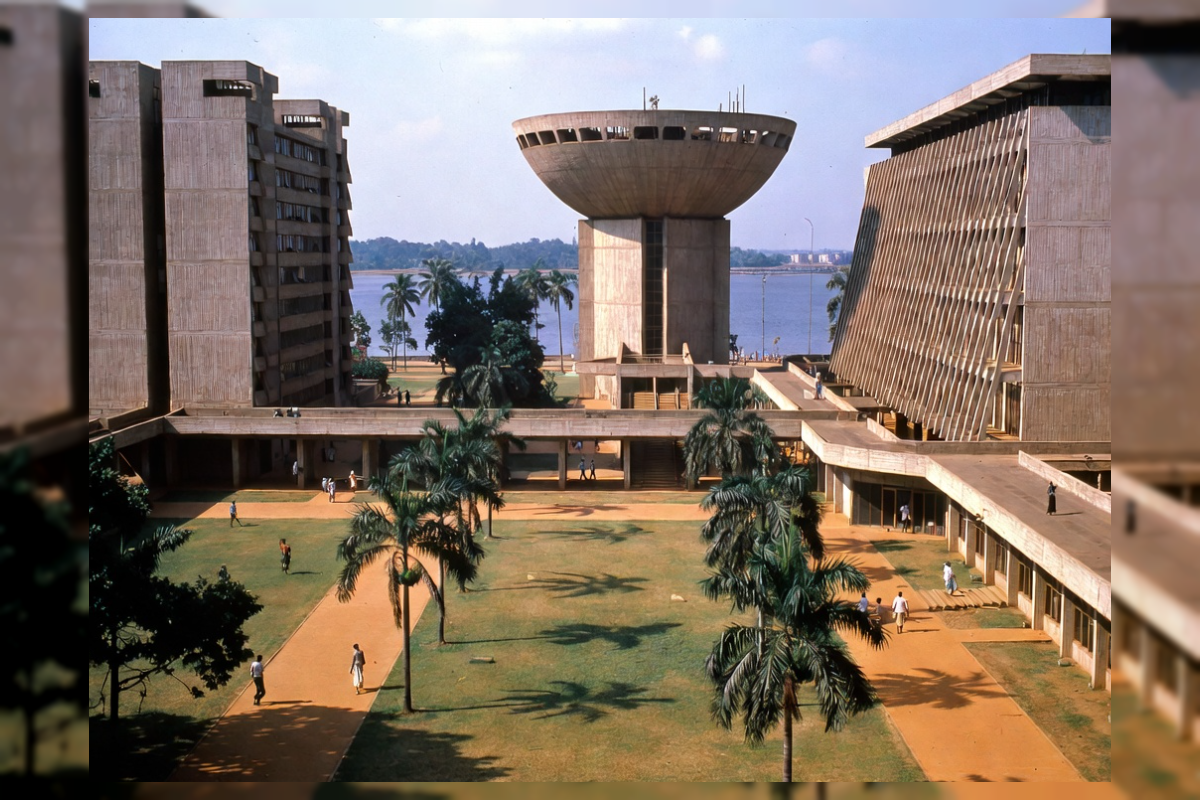
Figure 1: The architectural beginnings of the University of Lagos at the Akoka campus.
1. Foundations: The Ashby Commission and the 1962 Genesis
The blueprint for the University of Lagos was drawn before the lowering of the British Union Jack. In 1959, the federal government commissioned the Ashby Commission on Post-School Certificate and Higher Education in Nigeria. The commission’s report recommended the establishment of a new university in Lagos, then the federal capital, to prioritize professional courses such as business, economics, law, and medicine.
In April 1962, the University of Lagos Act was officially passed, and by October of the same year, the university opened its doors to its pioneer class of 131 students. Initially operating out of temporary quarters on Surulere's Idi-Araba Road, the university established three foundational faculties: Commerce and Business Administration, Law, and Medicine (the latter becoming the renowned College of Medicine, UNILAG).
During these initial years, the university faced immense pressure to prove its academic rigor. Guided by its first Vice-Chancellor, Professor Eni Njoku, the infant institution established high intellectual benchmarks. This early momentum proved vital, enabling the school to weather severe administrative upheavals in 1965 during the leadership transition to Professor Saburi Biobaku, all while keeping its core academic programs moving forward.
2. Relocation to Akoka and Spatial Expansion
By September 1965, the university began moving to its permanent site—a massive expanse of marshy land in Akoka, Yaba, bordered by the lagoon. Transforming this waterfront terrain into an academic hub required masterful civil engineering and architectural foresight.
The iconic Senate Building, the massive Senate High-Rise, and the sprawling main library quickly became architectural landmarks in Lagos. As the student population expanded exponentially, the university campus grew horizontally and vertically. Additional land acquisitions led to the development of mini-campuses, student residential complexes (such as Moremi, Mariere, and Jaja halls), and staff quarters, turning the Akoka campus into a self-sustaining educational ecosystem.
The choice of the Akoka location was both strategic and symbolic. Bordered by the sprawling Lagos lagoon, the campus naturally separated itself from the frantic pace of mainland Lagos, creating an ideal environment for deep intellectual focus. However, transforming this marshland required complex sand-filling campaigns and deep-pile foundation engineering. These massive construction projects laid the physical groundwork for what would quickly become one of the most structurally recognizable university campuses in sub-Saharan Africa.
3. Academic Proliferation: From 3 Faculties to a Research Behemoth
UNILAG’s structural growth was closely matched by its academic expansion. Over the decades, the university diversified away from strictly corporate and legal fields to embrace engineering, sciences, arts, environmental design, and social sciences.
Today, the university boasts over 12 Faculties, a School of Postgraduate Studies, and several specialized institutes like the Institute of Maritime Studies and the Centre for Human Rights. In the 21st century, UNILAG deliberately pivoted toward becoming a research-intensive university. This shift saw the institution bag multi-million dollar international research grants, secure numerous patents for local innovations, and foster public-private partnerships aimed at solving real-world African problems.
This academic evolution also birthed highly specialized collaborative centers. Landmark centers like the African Cluster Centre (ACC) and various climate change research labs showcase UNILAG's commitment to driving home-grown African research. By prioritizing graduate research over simple rote learning, the institution continues to climb international rankings, solidifying its place as a top-tier hub for knowledge production across the continent.
4. Timeline Matrix: Key Historical Eras of UNILAG
The historical trajectory of UNILAG can be categorized into distinct eras of development, outlined in the matrix below:
| Era | Primary Focus | Key Milestone Achieved |
|---|---|---|
| 1962 – 1965 | Establishment & Inception | Inauguration with 131 pioneer students across 3 core faculties. |
| 1965 – 1980 | Infrastructural Migration | Relocation to Akoka waterfront; construction of the main library and Senate complex. |
| 1980 – 2000 | Academic Diversification | Rapid addition of specialized engineering, science, and postgraduate programs. |
| 2000 – Present | Digitalization & Entrepreneurship | Launch of UNILAG Radio, mandatory entrepreneurship incubation, and global research rankings. |
5. Cultural Epicenter and the Entrepreneurial Pivot
Beyond academic transcripts, UNILAG’s location in the commercial heart of Nigeria gave it a unique social identity. It quickly became the cultural epicenter of Nigerian youth expression, heavily influencing the nation's music, fashion, and literary scenes.
Recognizing the shifting dynamics of the global job market, the university made a strategic shift at the turn of the century by embedding mandatory **entrepreneurship and innovation training** into its curriculum. Through the setup of the UNILAG Design Studio, the LeadWay Innovation Hub, and various tech incubation spaces, students are encouraged to build venture-backed startups while finishing their degrees. This forward-thinking approach has solidified the university's reputation as a primary incubator for tech founders, creative executives, and corporate leaders across Africa.
This entrepreneurial ecosystem is further strengthened by its active global alumni network. UNILAG graduates hold pivotal roles in Nigeria's leading banking institutions, tech unicorns, and political cabinets. This massive industry network directly funds ongoing campus modernization efforts, ensuring that current students benefit from modern technology labs, updated lecture theaters, and direct corporate mentorship programs.
From a small cluster of classrooms in 1962 to a massive urban institution catering to over 60,000 students annually, the history of the University of Lagos mirrors the resilient spirit of Nigeria itself. Through consistency in academic excellence, infrastructural preservation, and a proven ability to adapt to technological advancements, UNILAG maintains its undisputed position as a cornerstone of development and the absolute pride of the nation.
Comments (0)
No comments yet. Be the first!
Please login to leave a comment
Login to Comment